History of the Traditional Latin Mass: What is the Latin Mass?
Traditional Latin Mass
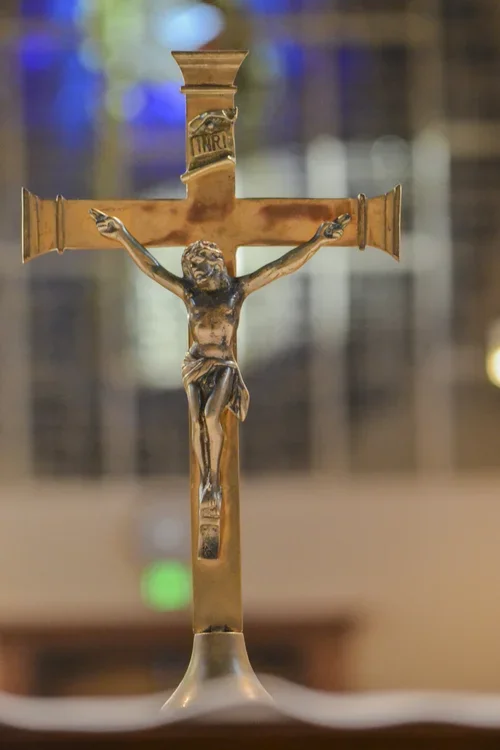
The Traditional Latin Mass, also known as the Tridentine Mass or the Extraordinary Form of the Roman Rite, is the liturgy of the Roman Catholic Church that was codified in 1570 and used until the reforms of the Second Vatican Council in the 1960’s. It is celebrated in Latin and is characterized by its rich symbolism and solemnity. The Mass is often referred to as the Mass of St. Pius V and is considered a continuation of the ancient liturgical practices of the Church. It has inspired many throughout history and remains a significant form of worship for many Catholics today.
The world, technology, A.I. and the Afterlife…
What Previous Popes Have Said About “the World”
Throughout history, popes have addressed the world through encyclicals, public messages, and speeches, often focusing on peace, justice, human dignity, and the role of the Church in global affairs.
Pope Pius XII (1939–1958)
During World War II and the nuclear age, Pius XII warned against the arms race, emphasizing that while nations have a right to self-defense, the accumulation of destructive weapons endangers humanity. He called for disarmament through international agreements built on trust, and urged prayer and love as the main “weapons” of peace Vatican News.
Pope John XXIII (1958–1963)
In Pacem in Terris (1963), John XXIII declared that peace cannot be based on fear but must be rooted in respect for human rights and dialogue between nations. He urged a global disarmament program, banning nuclear weapons, and reducing all arms stockpiles. He also affirmed the order in creation as a reflection of God’s wisdom and goodness, and stressed that human conscience reveals moral law Vatican+1.
Pope Paul VI (1963–1978)
At the United Nations in 1965, Paul VI delivered a historic appeal for peace, condemning the waste of resources on arms and calling for a just and peaceful world order Vatican News.
Pope Leo XIII (1891–1903)
Leo XIII’s Rerum Novarum (1891) addressed the social upheaval of industrialization, affirming the dignity of labor, the right of workers, and the state’s role in protecting human rights. It became a cornerstone of Catholic social teaching Catholic Exchange.
Pope Pius XI (1914–1939)
Pius XI spoke out against atheistic communism (Divini Redemptoris, 1937) and emphasized the moral responsibility of nations to uphold justice and peace, warning against ideologies that undermine human dignity The Papal Encyclicals Online.
Pope Francis (2013–present)
Francis has repeatedly called for care for creation, peace, and solidarity. In Laudato si’ (2015), he urged protecting the environment as a moral imperative, linking it to human dignity. He has also spoken about the need for disarmament, the common good, and the protection of migrants and refugees United States Conference of Catholic Bishops.
Common Themes
Across these voices, popes have consistently emphasized:
The moral imperative of peace and disarmament.
The dignity of every human person as created in God’s image.
The Church’s role in promoting justice, human rights, and care for creation.
The need for dialogue, trust, and cooperation among nations.
These teachings have shaped Catholic engagement with global issues and continue to influence Catholic social thought and moral leadership worldwide.
Technology and Artificial Intelligence (A.I.)
Pope Leo XIV’s first encyclical of his pontificate on May 15, 2026 released “Magnifica Humanitas”:
Download and read the full encyclical as a PDF below.
Magnifica Humanitas Full Text English Version
Eternity and the Afterlife
Catholics believe that when a person dies, the soul lives on. Each soul faces a "particular judgment," that is to say, God determines whether this soul has lived a good life and where the soul shall spend eternity. If a person has learned to perfectly love God, their soul will go straight to heaven to enjoy endless happiness. If a person loves God imperfectly, their soul will go to Purgatory, where it will be purified before (eventually) going to heaven. If a person has rejected God's love or commits a mortal sin and dies before repenting, their soul is condemned to the everlasting torments of hell.
Some doctrines state that there is a fourth state called "limbo" where resides a soul who has not been baptized but has not committed any personal sin. Example: a baby who dies before baptism…goes to Limbo (as written in the Council of Trent). You can also learn on this subject from Rev. Francis Spirago’s book, The Catechism Explained…”An exhaustive explanation of the Christian Religion” by Mediatrix Press (2020).